Geometric Abstract Embroidery Design Review
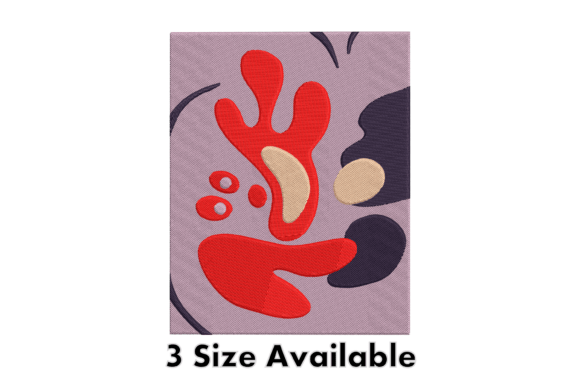
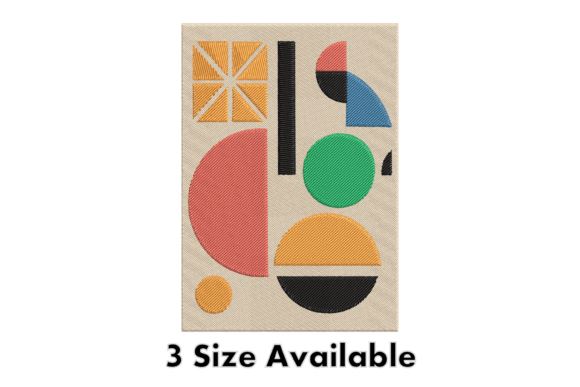
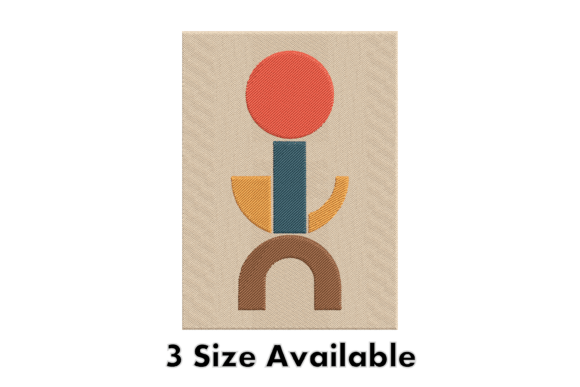
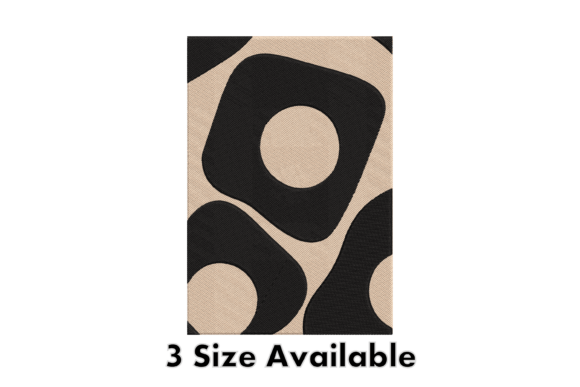
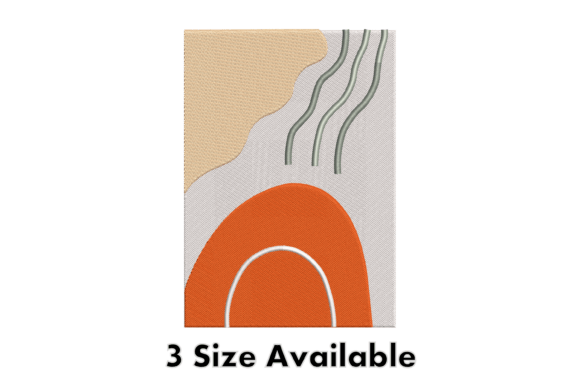
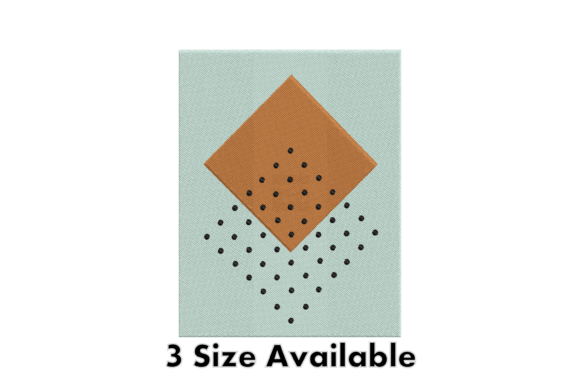
As an experienced embroidery designer who has spent years crafting digital assets for small business owners and boutique brands, I often look beyond the visual appeal of a file to its practical application. Today, I am reviewing the Geometric Abstract Embroidery Design. This piece is described as a minimalist geometric design with bold shapes and dotted accents, available in three sizes. It markets itself toward modern home décor and fashion, specifically mentioning t-shirts and tote bags. But does it truly hold up as a viable asset for commercial embroidery projects, branded patches, and professional staff uniforms? Let's dive into a real-world evaluation.
First Impressions: A Modern Edge for Branding
The moment you load this design, the aesthetic speaks clearly. The title Geometric Abstract Embroidery Design promises structure, and the description delivers on that promise. The combination of bold shapes and dotted accents creates a visual rhythm that feels contemporary and clean. Unlike traditional floral or script designs that can sometimes feel dated or overly ornate, this piece offers a sleek, premium look. It strikes a balance between playful and professional, making it an excellent candidate for businesses aiming to project a modern, creative identity.
For a small café, a handmade shop, or a creative studio, this design offers more than just decoration; it provides a visual anchor. The minimalism ensures that the design remains legible even when scaled down, which is crucial for items like cap embroidery or small product labels. The abstract nature allows it to blend seamlessly with various brand color palettes without clashing with existing typography or logos.
Real-World Application for Small Business Merch
When evaluating this machine embroidery design for actual production, the versatility becomes immediately apparent. Small business owners often struggle to find designs that work across multiple touchpoints. This file solves that problem by functioning effectively as a standalone logo or as a supporting accent.
- Embroidered Patches: The bold outlines and clear shapes make this ideal for creating durable embroidered patches. These can be applied to denim jackets, backpacks, or aprons. The geometric style holds up well against wear and tear, ensuring the patch remains crisp after numerous washes.
- Staff Uniforms and Aprons: For bakeries, florists, or boutiques, consistent branding on staff attire builds trust. Placing this design on the chest of a work shirt or the pocket of an apron adds a touch of sophistication without overwhelming the garment. The dotted accents add texture that catches the light, giving the uniform a high-end finish.
- Tote Bag Design: As mentioned in the product details, this design excels on tote bags. The large surface area allows the three available sizes to be utilized flexibly. A larger version serves as a statement piece, while a smaller iteration can act as a subtle corner mark, reinforcing the brand every time the bag is used in public.
- Cap Embroidery: The structured nature of the geometric shapes translates well to curved surfaces. However, careful placement is required to ensure the dots and lines do not distort on the curve of a hat.
- Product Packaging Accents: Beyond apparel, this digital embroidery file can be used to create custom tags or labels attached to handmade products. A small stitched label featuring these bold shapes elevates the perceived value of the finished product.
Strategic Considerations and Potential Pitfalls
While the design is strong, a professional review must address where caution is needed. Not every fabric or application will yield the same results. Understanding the limitations of stitch density and fabric texture is vital for maintaining quality.
One area requiring care is the use of this design on very small patch sizes. While the description mentions "bold shapes," intricate dotted accents can sometimes blur if the design is digitized too tightly or placed on a patch smaller than recommended. If you are producing tiny lapel pins or micro-branded items, you may need to simplify the dot pattern to maintain clarity.
Fabric texture also plays a significant role. On highly textured fabrics like heavy canvas or bouclé wool, the fine details of the dotted accents might get lost. Similarly, applying this design to dark uniforms requires a robust underlay and potentially a top layer of white or light thread to ensure the colors pop. Without proper stabilizer support, the tension of the stitches could cause the fabric to pucker, especially around the sharp angles of the geometric shapes.
Another critical factor is the hoop size. Since the file comes in three sizes, it is essential to verify that your specific hoop can accommodate the largest version without cutting off parts of the design. Always test the layout on the actual garment before committing to a full production run.
Impact on Brand Identity and Customer Trust
In the world of handmade products and Etsy branding, visual consistency is everything. Customers associate the quality of the stitching with the quality of the product inside the package. A sloppy or poorly executed embroidered patch can undermine the entire brand message.
The Geometric Abstract Embroidery Design supports a narrative of precision and modernity. When customers see a clean, well-executed geometric pattern on a tote bag or a staff member's apron, it subconsciously signals that the business pays attention to detail. This enhances customer trust and recognition. The design acts as a silent ambassador, communicating professionalism and a commitment to quality even before a word is spoken.
Furthermore, the abstract nature of the design allows it to age well. Trends in home décor and fashion shift rapidly, but clean geometric lines tend to remain relevant longer than trendy illustrations. This longevity protects your investment in the commercial embroidery project, ensuring your branded merchandise remains stylish for seasons to come.
Practical Designer Notes for Production
Before you send this file to production, there are several technical steps every embroiderer should take. First, always test the design in black and white first. This helps you visualize the stitch density and spacing without the distraction of thread colors. You want to ensure the dots don't merge together and that the bold shapes have enough negative space to breathe.
Next, check the thread color contrast. If you plan to use this on a dark background, ensure the chosen threads provide sufficient coverage. Inspect the spacing closely; tight spacing can lead to puckering, while loose spacing might look unfinished. Confirm the hoop size matches your intended application, whether it is a cap, a tote, or a uniform.
Use the proper stabilizer for the fabric type. For stretchy materials like t-shirts, a cut-away stabilizer is usually best to prevent distortion. For stable fabrics like canvas totes, a tear-away might suffice. Create a printable mockup for client approval to get buy-in before spending hours on the machine. Compare the design beside other design assets in your portfolio to ensure it fits the overall aesthetic.
Finally, confirm commercial licensing. Ensure you have the right to sell products made with this embroidery file. Once you have verified these details, the Geometric Abstract Embroidery Design stands ready to elevate your small business merch, offering a professional, modern touch that resonates with today's discerning consumers.