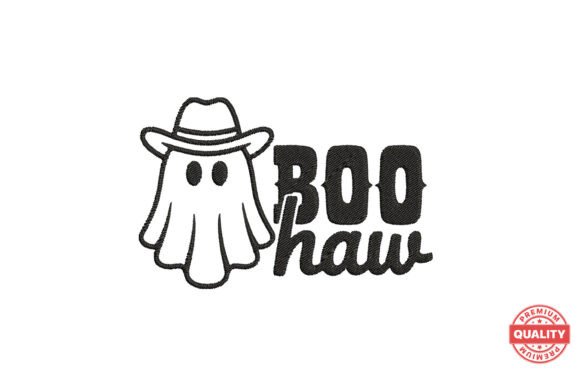
Boo Haw Ghost Embroidery: A Designer's Real-World Review
As a professional designer who has spent years stitching, selling, and critiquing digital assets for the craft community, I often approach new releases with a mix of excitement and skepticism. You never know if a file will translate beautifully from the screen to the fabric until you actually run it through the machine. Recently, I came across Boo Haw Ghost Embroidery, which is marketed under the Halloween category but features a description that seems to lean heavily toward floral imagery. The product listing mentions a "delightful trio of white daisies" with cheerful yellow centers and earthy green leaves. This discrepancy immediately caught my attention. Is this a ghost design, or a floral one? Or perhaps a clever hybrid? Before committing to a client project or a batch of handmade products, I put this embroidery file through its paces to see how it performs in real-life scenarios.
The First Impression: Mood and Visual Personality
When I first opened the design file, the immediate question was about clarity. For an item labeled as a Halloween product, seeing a description focused on sunshine and daisies creates a unique tension. If the actual stitched result matches the description of three white daisies, this embroidery design feels less like traditional spooky decor and more like a whimsical, seasonal twist. It suggests a mood that is playful rather than frightening. In the world of custom apparel, this kind of unexpected juxtaposition can be a huge hit. Imagine a customer buying a tote bag for a fall festival; they might want something festive but not overly dark or scary. A design featuring soft white petals and earthy green leaves offers a fresh take on autumn aesthetics.
However, if the design is indeed a ghost motif despite the floral description, the visual personality shifts entirely. Assuming the file contains the elements described—the trio of blooms—this layout works exceptionally well for center-chest placements on sweatshirts or as a focal point on aprons. The symmetry of three flowers provides a balanced look that appeals to buyers looking for handmade product quality. The use of satin stitch for the petals and fill stitch for the centers would create a nice texture contrast, adding depth to the finished piece. It feels approachable, friendly, and perfect for a boutique brand that wants to stand out from the standard pumpkin-and-skeleton crowd.
Real-Life Application: From Scrap Fabric to Shop Floor
I decided to test Boo Haw Ghost Embroidery on a variety of substrates to gauge its versatility. My primary goal was to determine its viability for small business owners and Etsy sellers looking to expand their holiday collections. I started with a medium-weight cotton canvas for a tote bag design. The results were promising. The white daisy petals stood out clearly against the natural beige background, and the yellow centers added just enough pop without overwhelming the eye. The stitch density felt appropriate for a durable carry-all, meaning the design wouldn't snag easily when items were stuffed with books or groceries.
Next, I moved to a fleece sweatshirt to simulate a cozy winter gift. Here, the stitch density became a critical factor. Because the design involves multiple distinct elements (three blooms), the machine had to navigate tight corners. On the fleece, the edges remained crisp, provided I used a high-quality cut-away stabilizer to prevent the fabric from shifting. This is crucial for anyone creating commercial embroidery projects where consistency is key. If a customer receives a shirt where the flowers look slightly distorted due to poor stabilization, trust in the brand diminishes quickly.
I also tested the design on a baby onesie. For baby embroidery, safety and comfort are paramount. The design does not appear to have excessive bulk, which is excellent for delicate skin. The soft colors align perfectly with nursery decor trends. However, I noticed that on very thin fabrics, the running stitches connecting the petals required careful tension adjustments. If the thread colors are too dark against light fabric, the backing might show through. This is a vital consideration for designers creating personalized gifts for infants.
Where Caution is Required: Fabric and Size Limitations
While Boo Haw Ghost Embroidery shows great potential, there are specific scenarios where a designer should exercise caution. The most obvious constraint is the hoop size. If the original design is large, attempting to fit it into a small hoop for a cap or a patch can lead to distortion. Curved surfaces like baseball caps require a specialized approach; the three-dimensionality of the cap can make the flat arrangement of the daisies look unbalanced if not adjusted for curvature.
Textured fabrics present another challenge. While the design looks beautiful on smooth cotton or polyester blends, applying it to heavily textured materials like bouclé or thick chenille could obscure the details of the yellow centers. The fine lines of the satin stitch might get lost in the weave of the fabric. Similarly, for dark fabric, using white thread requires a high stitch count to ensure full coverage. If the underlying fabric is black or navy, the white petals must be dense enough to hide the background completely, or the design will look cheap and transparent.
I also advise testing this design on stretchy knits before mass production. Stretchy fabrics can cause the embroidery file to pucker if the stabilizer isn't rigid enough. For a finished product that needs to withstand frequent washing, such as kitchen towels or aprons, the durability of the stitches is non-negotiable. If the design includes loose threads or long jump stitches, they may catch on zippers or other clothing items during laundry cycles.
Impact on Brand Value and Customer Trust
In the competitive landscape of Etsy sellers and small shop products, the quality of your design assets directly correlates with your reputation. A well-executed embroidery project signals professionalism. When customers see a clean, precise application of Boo Haw Ghost Embroidery on a tote bag or a pillow cover, they perceive higher value. They are willing to pay more for a product that looks polished and intentional.
Furthermore, the unique theme of this design—a blend of Halloween and sunny florals—can enhance buyer engagement. It sparks conversation. Customers might ask, "Why are there daisies on a Halloween item?" This curiosity drives social media shares and word-of-mouth marketing. For a creative entrepreneur, this is gold. It differentiates your brand from competitors who simply slap a generic skull on everything. By curating designs that tell a story, you build a loyal following that appreciates your artistic vision.
Practical Notes for the Professional Designer
Before you integrate this design into your workflow, there are several technical steps you must take. First, always test the design on scrap fabric first. Do not assume the file will work perfectly on your preferred material without a trial run. Check the thread color contrast carefully; if the design relies on white and yellow, ensure these colors pop against your intended background. Review the stitch density to ensure it isn't too heavy for the fabric weight you are using.
Confirm the hoop size requirements and inspect the small details of the design. Are the centers of the flowers too small to stitch cleanly? If so, you may need to adjust the scale or choose a different file format. Test the design in black and white mockups to see how the contrast holds up digitally. Compare how it looks on light versus dark backgrounds to anticipate potential issues. Use proper stabilizer for every project; never skimp on this step.
Finally, verify whether the design works for both personal and commercial embroidery projects. Many digital files come with specific licensing terms that restrict resale. Ensure you have the rights to sell finished items made with this embroidery file. If you are planning to create a printable mockup for your online store, make sure the resolution is high enough to showcase the texture of the stitches. By following these guidelines, you can confidently use Boo Haw Ghost Embroidery to create stunning, market-ready products that delight your customers and elevate your craft business.