Halloween Bow Ghost Embroidery Review
When I first opened the file for the Halloween Bow Ghost Embroidery, my immediate reaction was a mix of delight and caution. As someone who has spent years testing digital assets for both personal hobbies and commercial boutique lines, I know that a cute concept doesn't always translate well to the needle. This design promises to bring creative projects to life, but the real question is whether it holds up under the tension of a sewing machine and the scrutiny of a customer.
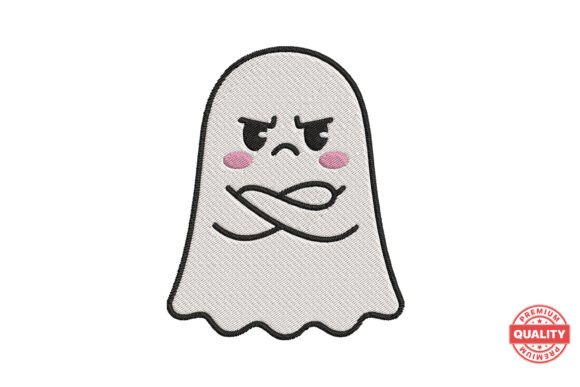
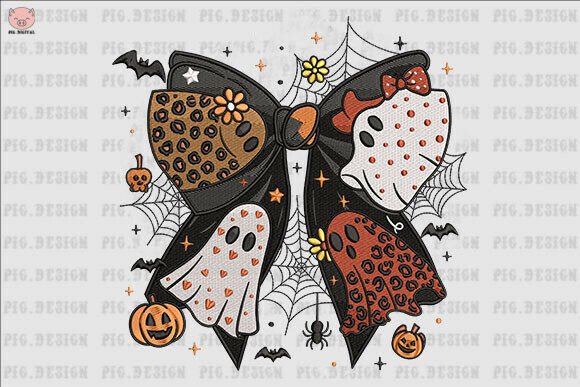
The visual personality of this piece is distinct. It avoids the overly spooky or gory aesthetic often associated with Halloween embroidery. Instead, it leans into a whimsical, slightly retro charm. The bow element adds a touch of elegance that balances the ghostly figure, creating a look that feels more like a playful character than a holiday decoration. For an Etsy seller or small business owner, this mood is gold. It bridges the gap between seasonal novelty and year-round wearable art, making it a versatile asset for your product catalog.
From Screen to Stitch: A Real-World Test
I decided to put the Halloween Bow Ghost Embroidery through its paces on a custom project that mimics what a typical client might request. My goal was to create a limited-run batch of embroidered tote bags for a local craft fair. Tote bags are a staple for crafters, but they present specific challenges regarding fabric texture and hoop stability.
I selected a sturdy canvas material, which is ideal for holding structure during stitching. After hooping the fabric with heavy-duty cutaway stabilizer to prevent puckering, I loaded the design. The first impression upon completion was impressive. The satin stitch used for the bow appeared smooth and lustrous, catching the light nicely without excessive thread breaks. The fill stitches covering the ghost's body were dense enough to hide the fabric underneath, ensuring a clean, professional finish that elevates the perceived value of the finished product.
However, the experience wasn't without its nuances. On a plain white background, the design popped with high contrast. But when I tested it on a dark navy tote, the visibility shifted significantly. While the ghost shape remained clear, the subtle details in the bow required careful thread color selection to maintain definition. This highlights a crucial aspect of using this embroidery file: context matters immensely. If you are planning to sell these items as part of a collection, you need to ensure your thread palette complements the base fabric, or the design loses its impact.
Versatility Across Product Categories
One of the strongest selling points of this embroidery design is its adaptability. It isn't just a patch; it is a design asset that can be integrated into various categories of handmade products. Beyond the tote bag scenario, I considered how this would perform on other common items in a small shop inventory.
- Baby Items: The soft, non-threatening nature of the ghost makes it perfect for baby bodysuits or nursery wall hangings. The gentle curves avoid sharp angles that might feel aggressive, fitting the "cute" aesthetic parents look for in holiday gear.
- Kitchen Textiles: Imagine this stitched onto a tea towel or apron for a Halloween-themed cooking class or gift set. The layout allows for good spacing, preventing the design from getting lost in the folds of the fabric.
- Apparel: For sweatshirts or hoodies, this design works well on the chest area. However, on stretchy knit fabrics, the density of the fill stitches needs to be managed carefully to avoid distorting the garment over time.
- Accessories: Caps and beanies offer curved surfaces that can challenge flat designs. While the Halloween Bow Ghost Embroidery is compact enough for a cap front, the structural integrity of the bow might suffer if the curvature is too extreme.
This versatility makes it a strong candidate for commercial embroidery projects where designers need reliable assets that can be repurposed across different merchandise lines without losing their appeal.
Navigating Technical Challenges and Fabric Choices
While the design is charming, no single machine embroidery design is universally perfect. There are specific scenarios where you must exercise caution to ensure the final result meets professional standards. Understanding these limitations is key to maintaining your reputation as a quality maker.
Small Hoop Limitations: If you are working with a 4x4 hoop or smaller, pay close attention to the fine details of the bow ties. In very small formats, intricate threads can sometimes merge, blurring the distinction between the bow and the ghost. Always test the design at your intended scale before committing to a bulk production run.
Fabric Texture and Stability: Highly textured fabrics, such as heavy terry cloth or boucle, can obscure the finer lines of the embroidery. Similarly, thin or sheer materials may not support the weight of the fill stitches without significant backing support. Without proper stabilizer, the design could pull the fabric, leading to a warped appearance that diminishes the quality of the handmade product.
Dark Fabrics and Contrast: As noted earlier, dark backgrounds require strategic thread choices. If you use a standard white ghost on black fabric, it will show, but the lack of mid-tones might make the design look flat. Experimenting with off-whites or light grays can add depth, turning a simple outline into a dimensional piece.
Design Judgment and Customer Trust
In the world of online sales, particularly for platforms like Etsy, the photograph is everything. A well-executed embroidered patch or tote bag design builds trust instantly. Customers can tell the difference between a sloppy stitch job and a precision-made item. The Halloween Bow Ghost Embroidery, when executed correctly, signals professionalism. It suggests that the maker cares about the details, which translates directly to higher customer satisfaction and repeat business.
The design also enhances the "giftability" of your items. A personalized gift featuring this motif feels thoughtful and unique. It stands out against generic printed graphics because of the tactile nature of the thread. The slight dimensionality adds a layer of luxury that print-on-demand services often struggle to replicate.
However, remember that the design is only as good as the execution. To maximize the potential of this asset, follow these practical steps:
- Test First: Never start a large order without running a sample on scrap fabric. Check for thread breaks, puckering, or misalignment.
- Review Density: Inspect the stitch density. If the fill areas are too tight, the fabric may become stiff; if too loose, the underlying material might show through.
- Check Licensing: Before selling finished items or using this in a commercial capacity, confirm the licensing terms provided with the digital embroidery file. Some files are for personal use only, while others allow commercial resale.
- Mockup Wisely: Create printable mockups in both black and white and full color to visualize how the design interacts with different fabric colors before you ever thread the machine.
Ultimately, the Halloween Bow Ghost Embroidery is a solid addition to any designer's library. It offers a blend of seasonal fun and timeless style that can elevate a wide range of crafts. Whether you are a hobbyist looking to make a special gift or a small business owner expanding your holiday line, this design provides a strong foundation. Just remember that the magic lies not just in the file itself, but in the care, preparation, and technical skill you bring to the machine. With the right approach, this design can transform simple fabric into a cherished keepsake.